The Vienna Underworld – The City Under Vienna
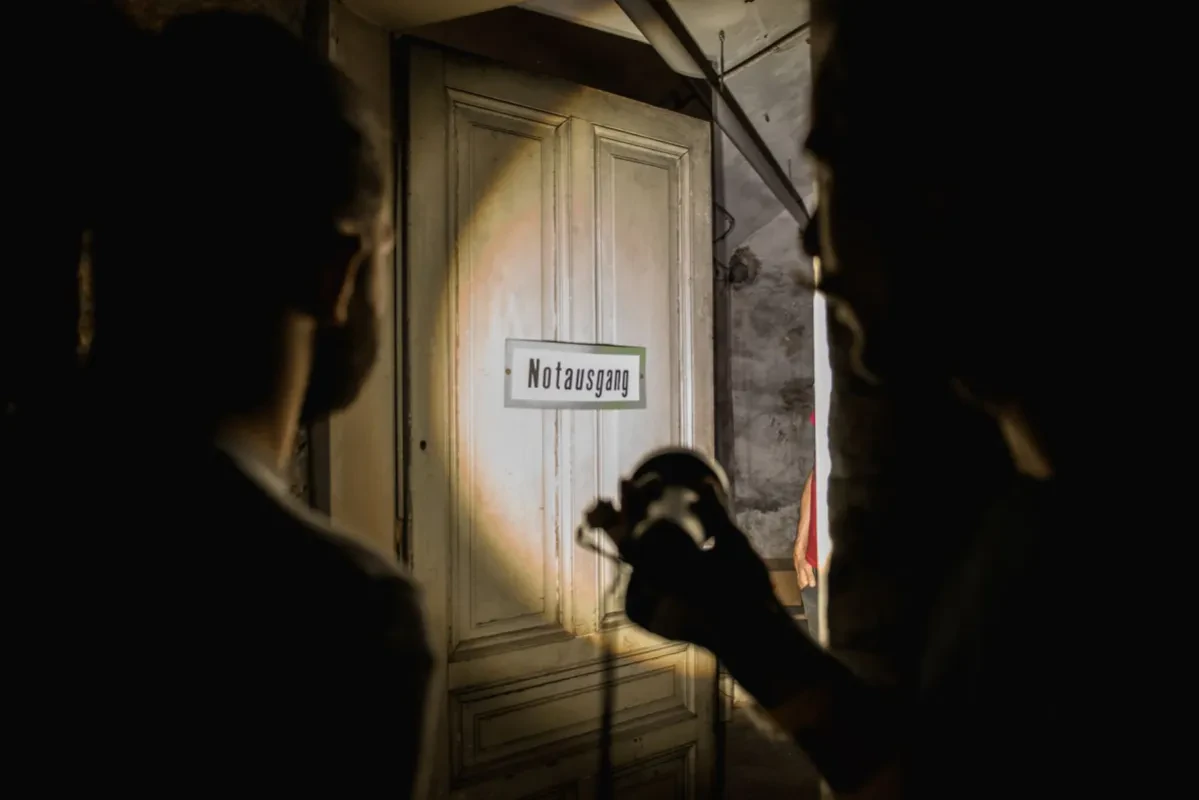
Vienna is known for magnificent palaces, cozy coffee houses, St. Stephen's Cathedral and of course the famous Viennese coziness. But under the feet of the Viennese:innen, the world looks completely different. Deep under the streets of Vienna hides a second city – dark, mysterious and full of stories.
Canals, tombs, catacombs, old vaulted cellars and air raids tell of a side of Vienna that is usually not seen. If you want to experience Vienna from below, go on a journey through a fascinating parallel world.
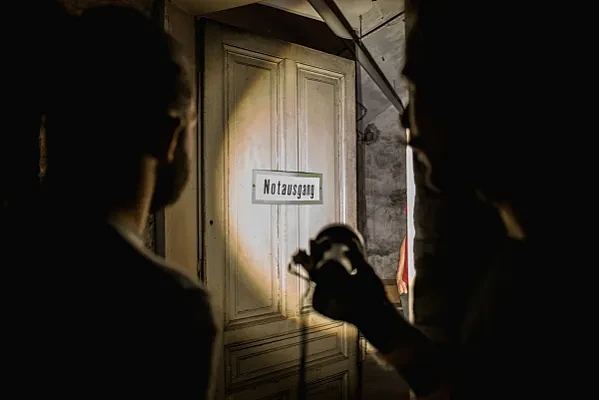
So: pack a flashlight and go down!
Under Vienna - the city under the city
If you walk through the city center of Vienna, you probably do not think that there is a huge underground labyrinth directly under the historic streets. Especially the 1st district is crossed by numerous cellars, vaults, corridors and underground facilities.
Some of these rooms are from centuries past, others are reminiscent of the darkest years of the 20th century. Still others are still part of the city’s infrastructure today.
Particularly exciting: Many of these places are just a few meters below the most famous sights in Vienna.
And this is where our journey through the Vienna Underworld begins.
1. The third man – when Harry Lime escapes into the sewers
When talking about the Viennese underworld, a film should not be missing: “The Third Man”.
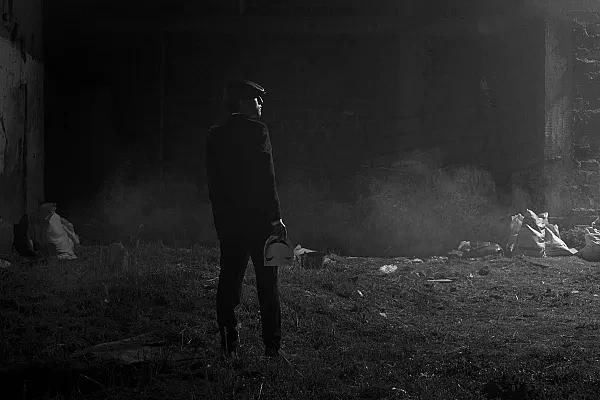
The film classic by Carol Reed was filmed in Vienna in 1948 and shows a city that has little in common with the glamorous Vienna from the tourism brochures. Instead of magnificent palaces, the focus is on ruins, the black market and smuggling. And in the middle: the Vienna sewer system.
Harry Lime, played by Orson Welles, is a shady penicillin smuggler. On the run from his persecutors, he disappears in the Viennese canals – and thus ensures that the Viennese Underworld writes film history.
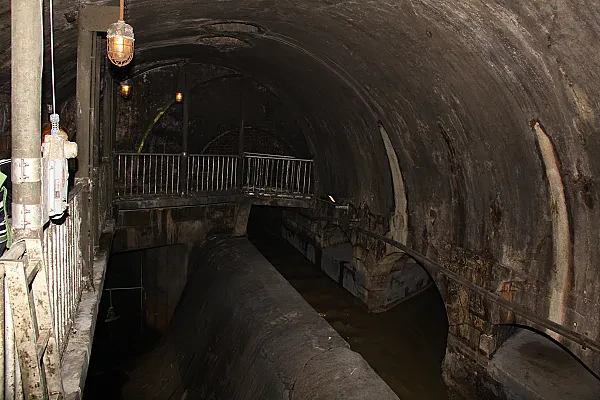
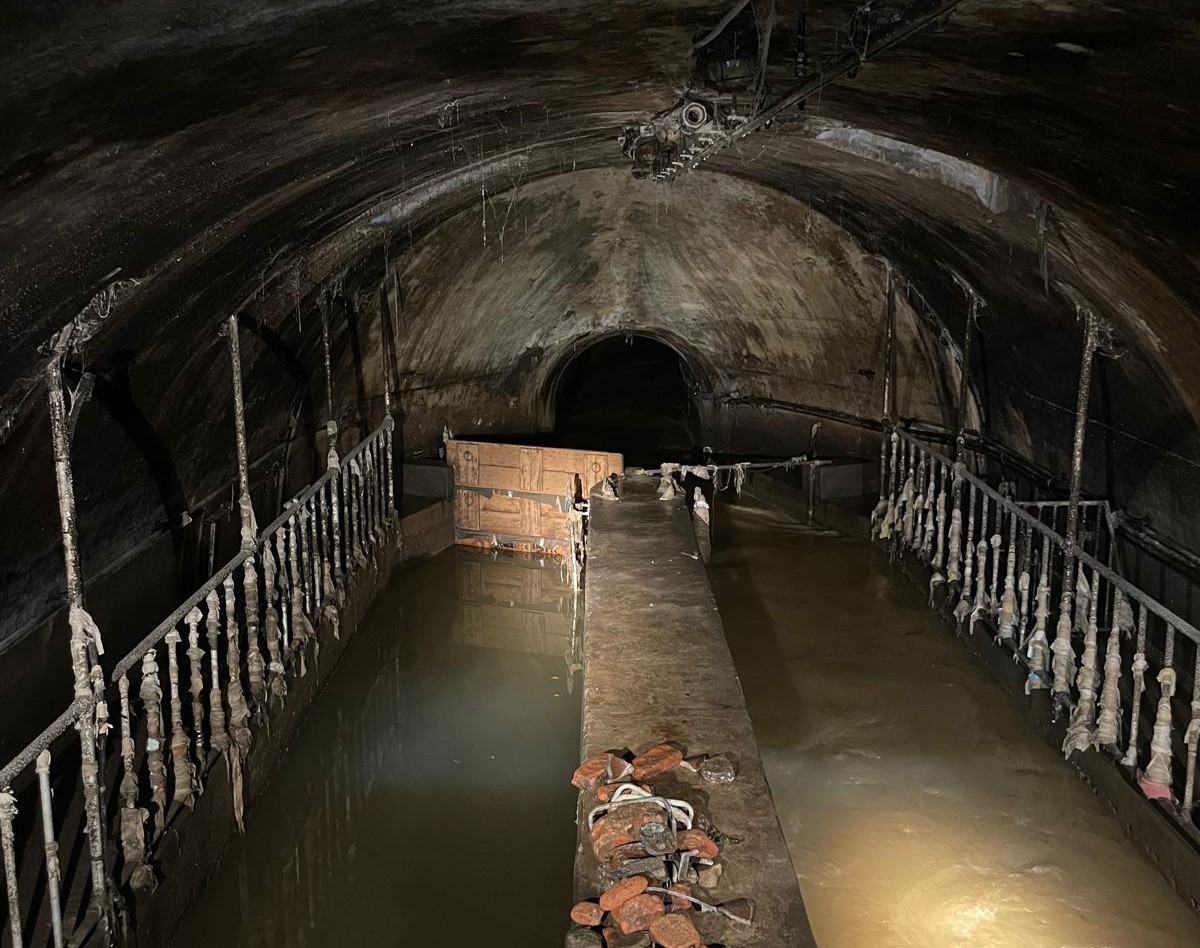
The fascinating thing: The famous chase was actually filmed in the Vienna sewer system. However, the track in the film seems much larger than it really is. Skillful camera work, cuts and different perspectives gave the impression that Harry Lime was being chased through the canals for miles.
And also a small film legend must not be missing: Orson Welles apparently did not hold it down in the channel for very long. The smell was too much for him. Some recordings were therefore shot with a double or in London studios.
Today you can descend into the famous sewer system. In the case of 3. Man Tour It goes several meters under the city, past historical parts of the canal system and to original locations of the film. The so-called cholera canals were established in the 1830s and are almost unchanged to this day.
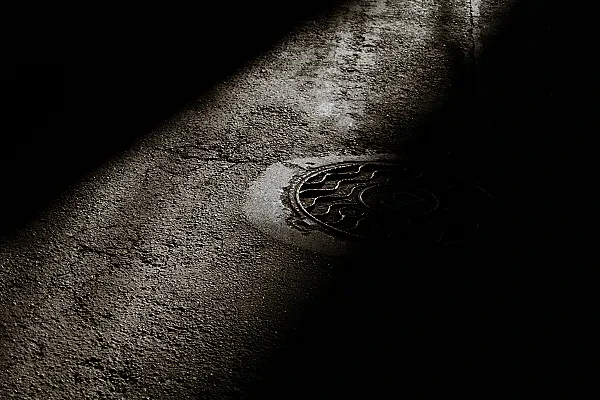
Particularly impressive is the idea that the normal Viennese life continues above our heads: trams drive, cars roll over canal covers and people go shopping – while a few meters below the water rushes through the city.
2. Tombs and catacombs – where Vienna preserves its dead
Even older than sewers are many of the underground spaces associated with death.
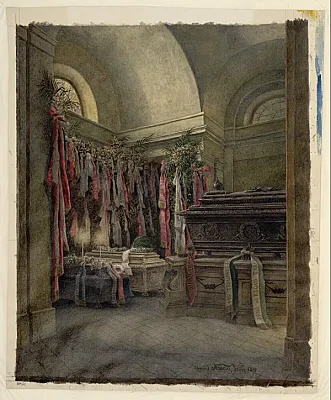
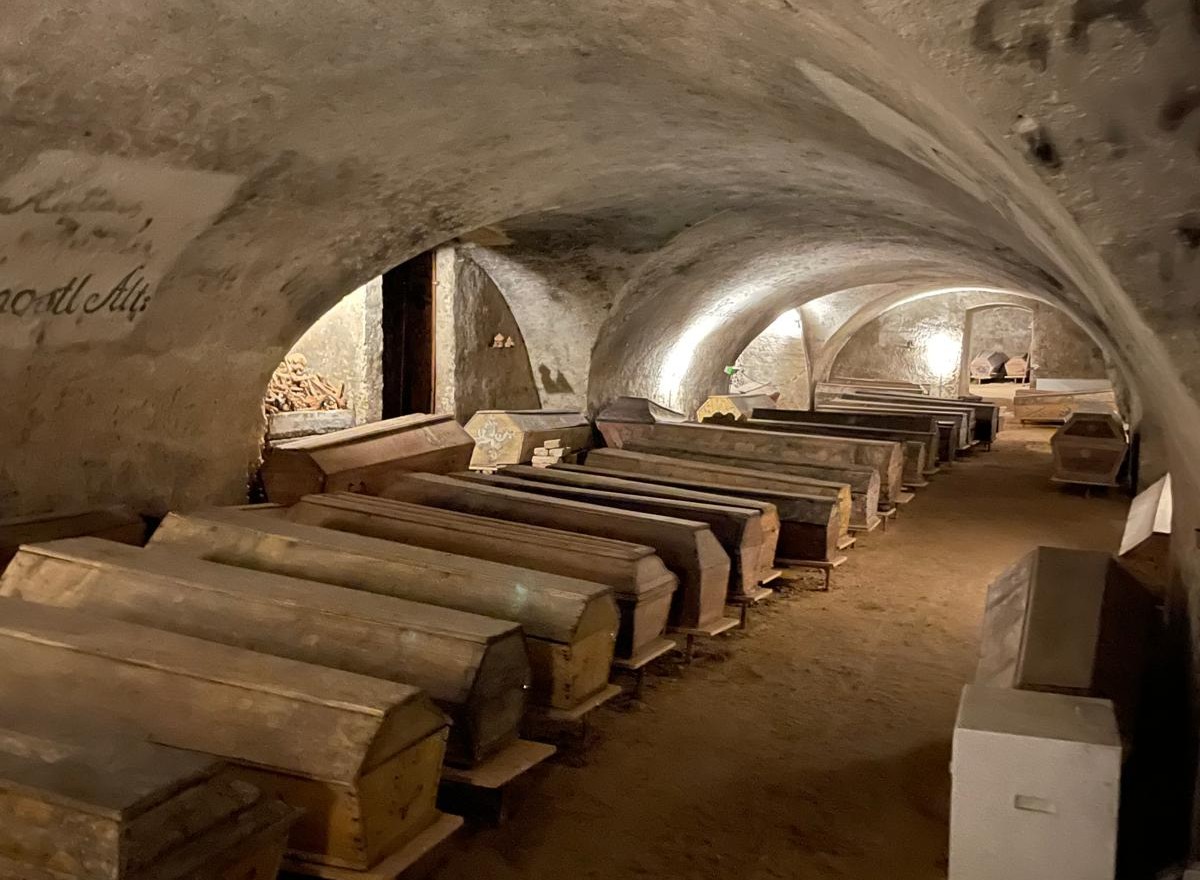
Among some Viennese churches are tombs and catacombs, in which for centuries the last resting place of clerics, nobles and wealthy citizens was located.
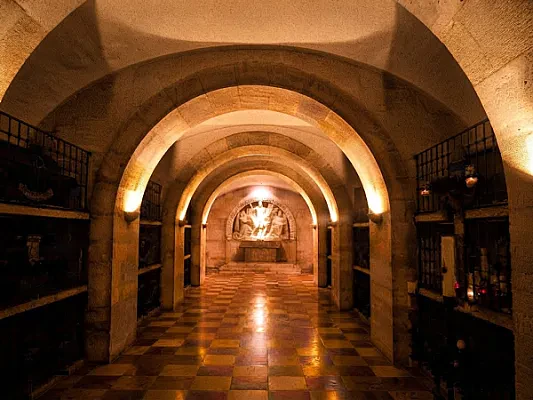
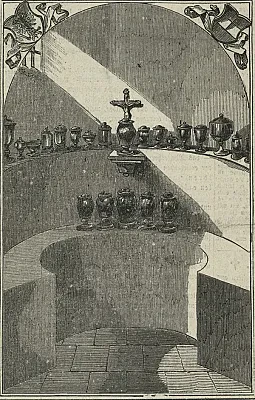
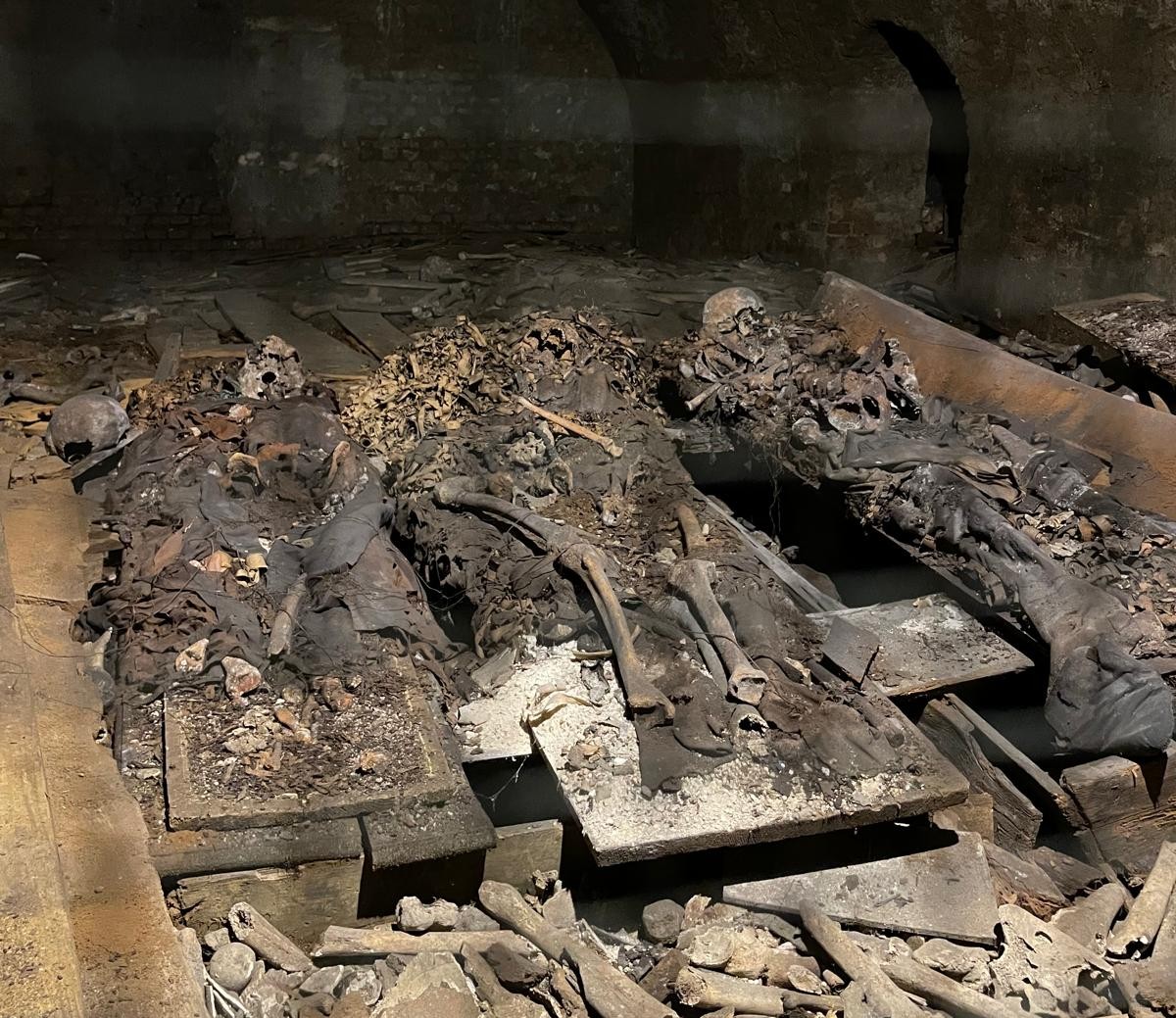
One of the most extraordinary facilities is located under the Michael Church. Between 1631 and 1784, around 4,000 people were buried here. Due to the special climate in the tomb, the bodies sometimes do not completely decay. To this day, numerous painted coffins and mummified bodies are preserved there.
The sight is particularly bizarre because some of the mummies still wear their historic clothes – including wigs or baroque robes.
If you like it a little more royal, you should take a look at the Catacombs of St. Stephen's Cathedral toss. There are, among others, the Duke's Gruft and the tombs of several Habsburgs as well as Viennese cardinals and archbishops. Duke Rudolf IV, the “Stifter”, is also buried here.
This suddenly gives Stephansdom a whole new dimension: Above the earth, it is one of Vienna’s most famous landmarks – below the earth, it becomes the historical memory of the city.
And that is exactly what makes the Viennese underworld so exciting. You don’t have to travel far to immerse yourself in a completely different time. Often a few steps down.
3. Wiener Keller – much more than just storage
Anyone who hears “cellar” probably thinks first of wine bottles, lumps or maybe an old heating room.
In Vienna, however, a cellar can tell a whole story.
Among the houses of the Inner City are partly several cellars, which are up to 4 floors deep. Historic vaults have been used for centuries as warehouses, workshops, sales premises or gastronomic places. Some plants reach surprisingly deep underground and many different uses.
It will be particularly exciting where different cellars have been connected.
For while the streets and houses above the earth are clearly separated from each other, a real labyrinth partly arose under the city.
And this labyrinth took on a completely new meaning during the Second World War.
The Air Protection Space Network Inner City – Vienna’s underground road network
During the Second World War, numerous existing cellars in Vienna’s inner city were converted into air protection rooms. But it didn't stop there.
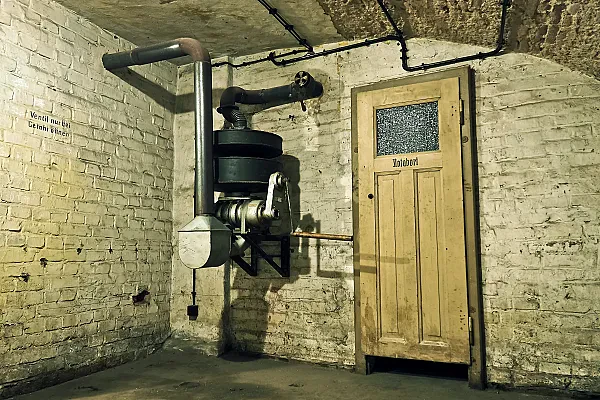
Existing basements were connected by wall breakthroughs and connecting corridors. This is how the so-called ‘Air Protection Space Network Inner City’ An extensive underground tunnel system that stretched for about 12 kilometres and connected large parts of the city centre.
The idea behind it was very simple: if bombs fell above, the population should be protected below.
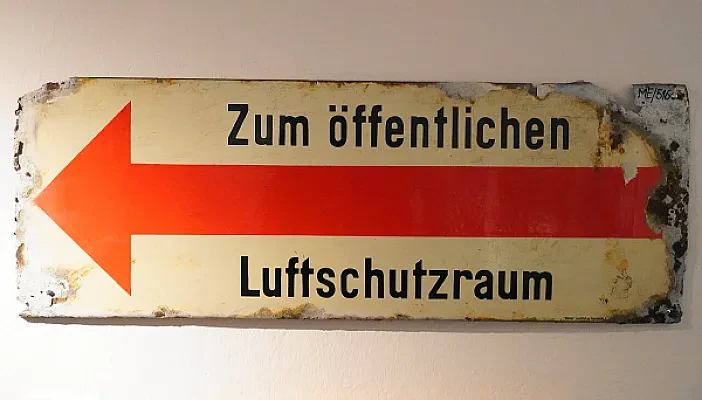
The underground paths were not only simple cellar passages. On the walls were orientation notes, directional arrows and inscriptions. The phosphorescent markings still obtained are particularly impressive. They should also remain visible in the event of a power failure and show people the way through the dark basements.
On old walls you can still find some hints such as "wall breakthrough", directions or markings for certain rooms.
Imagine: There is an air alarm outside. Above, the city is dark, sirens howl and planes are heard. And somewhere deep under the pavement, hundreds of people move through narrow basements and corridors in search of a safe place.
This is not a film set. This was for many Viennese:innen reality.
Today, large parts of this network are no longer accessible. Many corridors were walled up after the war or the cellars were later rebuilt and used differently. Nevertheless, in some places surprisingly many traces have been preserved.
It is precisely these remains that make the cellars so exciting. A walled door, an old arrow on the wall or a barely legible inscription can suddenly become the last visible indication of a long disappeared underground connection.
Is Vienna different? Definitely.
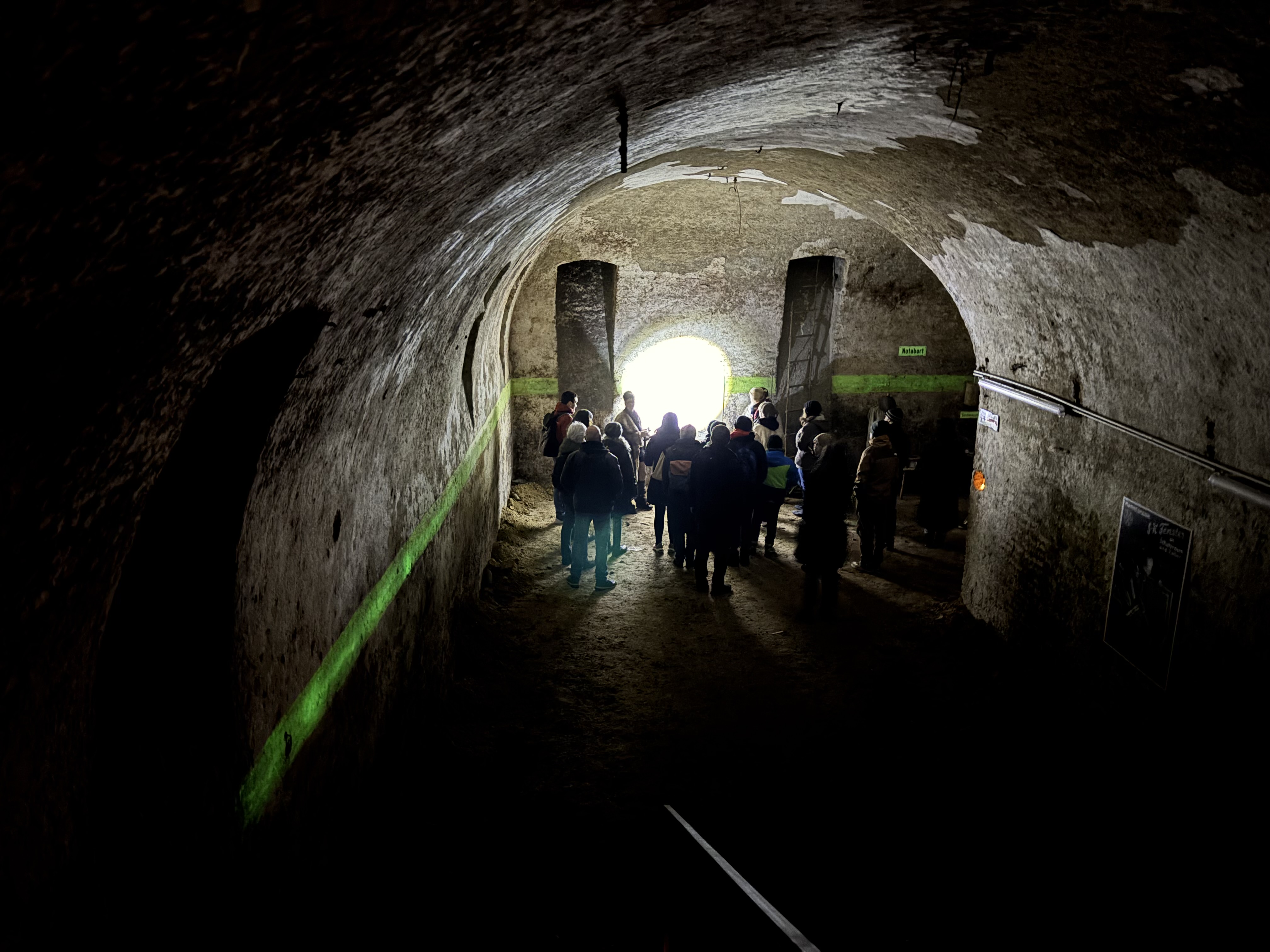
What is hidden under our feet
The Vienna Underworld is more than a few scary cellars.
It tells of film history, religion, war, everyday life and the technical functioning of a big city.
Below, there are very different chapters of Viennese history:
- Sewerage Remembers “The Third Man” and the post-war period.
- The Tombs and Catacombs tell of centuries of Viennese city and church history.
- The old cellar vaults It shows how much life has always played out under the city.
- The Air Protection Space Network Recalls the years of the Second World War and how the Viennese people sought protection from the bombs underground.
And perhaps this is exactly the appeal of the Viennese underworld: it is not an artificially created world of experience.
It's just there.
Right under our feet.
While the fiakers drive up through the city center, tourists take photos in front of St. Stephen’s Cathedral and are drunk in the coffee houses Melange, there are old bricks, forgotten corridors, canal pipes and traces of past generations.
Conclusion: Experience Vienna from below
Vienna is usually known from above.
You walk over the Stephansplatz, stroll over the trench, admire the Hofburg or sit over a coffee and watch the bustle on the street.
But who really Vienna is different If you want to experience, you should change your perspective.
A few steps reach down – and suddenly the well-known city center becomes a mysterious parallel world.
From Harry Lime’s escape through sewers to centuries-old mummies to the secret corridors of the air raid space network, a story awaits beneath Vienna that is at least as exciting as the one above Earth.
So what are you waiting for? Vienna from below is definitely worth a look!