The Catacombs under St. Stephen's Cathedral
A city of the dead under Stephansplatz
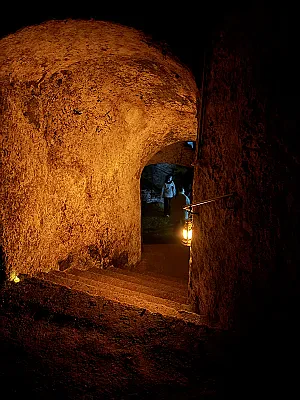
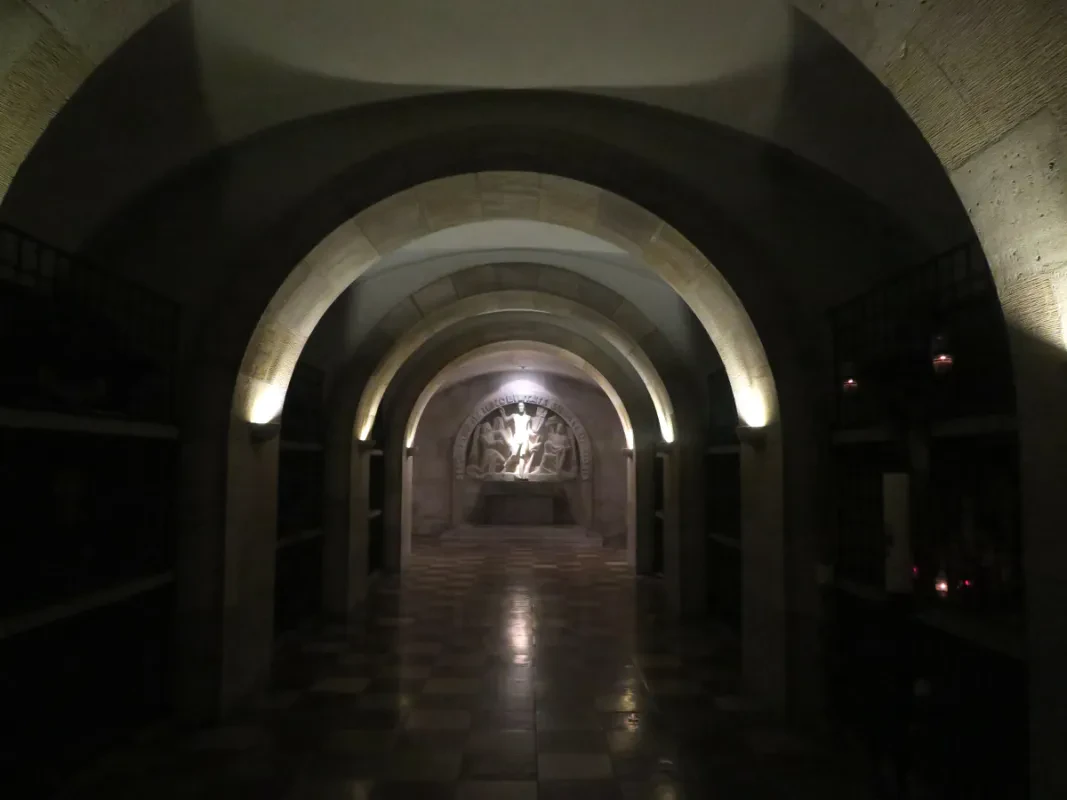
Who strolls over the Stephansplatz, usually does not know what is under his feet. Under the cathedral extends a labyrinth of tombs and burial chambers, in which more than 10,000 people were buried. In addition, there are the coffins of early Habsburgs and urns with the entrails of emperors and archdukes.
The Viennese call this realm of the dead the catacombs. The name is actually borrowed, because they have little in common with the catacombs of Rome. Her story is no less scary, and she tells a lot about life and dying in old Vienna.
How the Catacombs Created
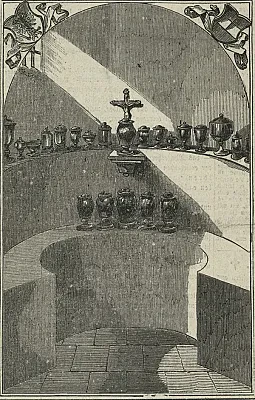
In the beginning there was a Duke. Rudolf IV, the founder, created a tomb for his family under the choir of the cathedral around 1363. This duke crypt was originally a single vaulted room, reachable over 24 steps. Maria Theresa had it extended in 1754/55 by an oval space.
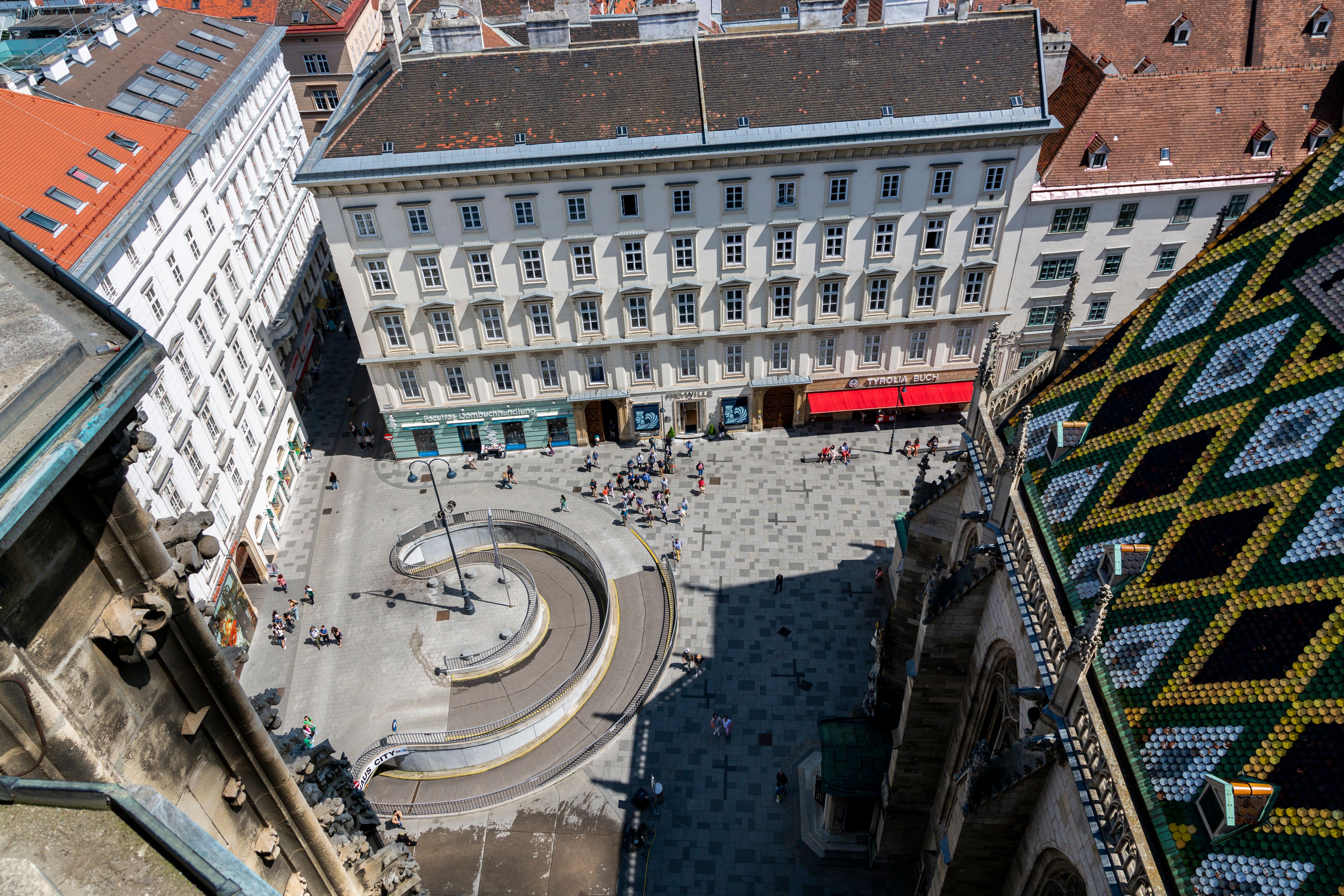
Around the cathedral was the Stephansfriedhof, the most important cemetery in the city. As early as 1486, a cellar served as a carner, i.e. as a bone house for the bones from abandoned tombs. When Emperor Charles VI closed the cemetery in 1732, new space was needed for the dead. From 1745, numerous new tomb rooms were created under the cathedral and the Stephansplatz, which were completed until 1779.
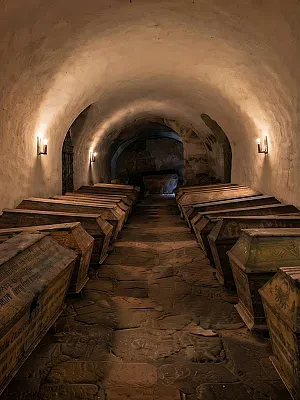
Thus, an underground cemetery grew on two floors. Between 1745 and 1783, 10,893 people were buried there.
Plague, bones and imperial viscera
The plague has hit Vienna several times. The epidemic of 1679 is considered to be the most serious of the early modern period, it is still reminiscent of the plague column at the trench today. After the plague of 1713, Charles VI had the Charles Church built out of gratitude. The dead of those years disappeared into mass graves, and the memory of them lives on in the stories about the catacombs.
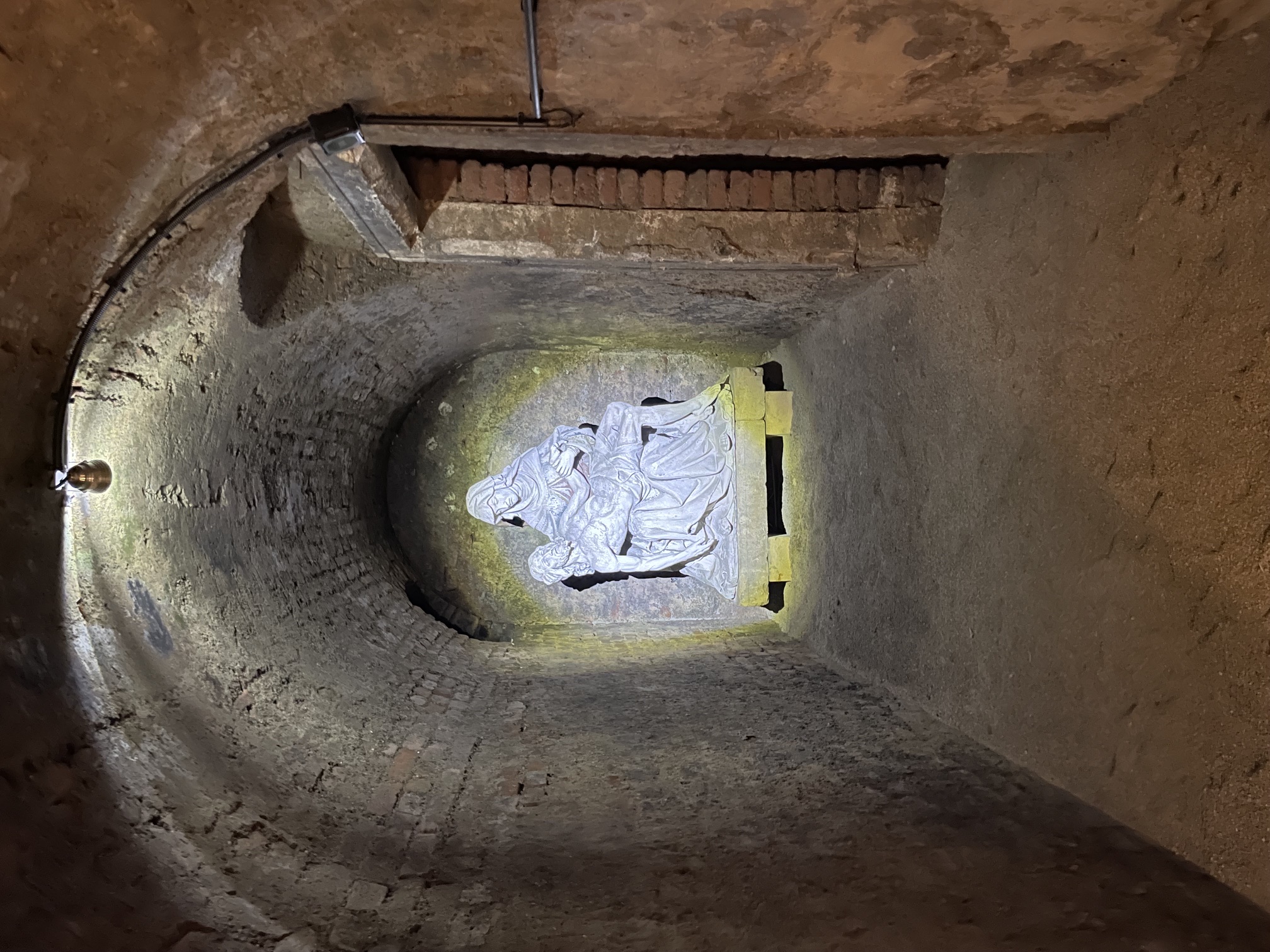
In one of the chambers one shows today a so-called plague pit. It consists of a round opening, just large enough for a human body, and underneath it lies a cavity full of bones. Whether plague deaths were really lowered here, however, is not proven.
Well documented, however, is how it was in the tomb chambers. If one chamber was full, it was walled up and the next opened. Allegedly, the odor of decomposition at times penetrated so strongly into the cathedral that it had to be closed. At the end of 1783 a court decree forbade burials in churches, in 1784 the tombs were closed. At the beginning of the 19th century, monks and convicts were sent down to arrange the interlaced bones. They stacked skulls and bones under the ceiling as they are still seen today.
A very special chapter is the Habsburgs. Between 1654 and 1878, urns with the guts or hearts of 56 family members were buried in the Duke's Gruft, wrapped in silk and placed in copper vessels containing alcohol. For many Habsburgs, the body was divided into three parts. The body came to the Kaisergruft, the heart to the Augustinerkirche and the entrails to the St. Stephen's Cathedral.
Myths and what really lies behind them
Hardly any place in Vienna has attracted as many stories as the catacombs. Some vote, some are embellished.
“There are thousands of plague deaths here.”This story is often heard, some sources even speak of over 11,000 victims of the plague of 1713. However, the well-documented 10,893 burials date from 1745 to 1783, i.e. from the time after the great epidemics. Ordinary Viennese were buried here.
“The catacombs are as old as those in Rome.”That is not true either. The Herzogsgruft dates from the 14. century, most of the plant from the 18th century. The name Catacombs only got the tombs in the 19th century.
“There are secret passages under the entire city center.”There is an extensive network of tombs under the cathedral and the Stephansplatz. The fact that from there corridors lead across the city belongs to the realm of legends. Although the city center of Vienna is deep underground, the cellars are among the individual houses.
“Gruesome as a tourist attraction is a modern idea.”Wrong. Already at the World's Fair in 1873, numerous visitors descended to see the bones. In the same year, however, the groundwater rose, and many remains had to be brought into walled vaults or buried.
“The catacombs are history.”Not quite. In 1951 a new bishop's tomb was created under the South Choir, in 1957 a tomb for the cathedral lords. The archbishops of Vienna are buried under the cathedral to this day.
From the basement to the attic
Today, the catacombs are a quiet place. Between the tomb chambers, the stacked bones and the copper urns of the Habsburgs you can feel how close life and death were in old Vienna. Anyone who has once walked through the corridors sees the Stephansplatz with different eyes.
Go to the catacombs Stephansdom here! Learn more about the catacombs and hidden tunnels, hear the old stories and myths of the cathedral and then go up to the attic, where a view of the whole of Vienna awaits you. So you experience the cathedral once from the very bottom to the very top.
SourcesVienna History Wiki, Catacombs (St. Stephan)·Vienna History Wiki, Catacombs·Vienna History Wiki, Pest·Wikipedia, Herzogsgruft·Planet Vienna, The Vienna Catacombs·Travelbook, The Secrets of the Catacombs·City famous, Vienna's catacombs