Rome under the pavement, in the footsteps of Vindobona
Where legionnaires lived almost 2,000 years ago, today Viennese tourists stroll
Those who stroll across the trench or wait for the anchor clock at the Hohe Markt stand on Roman soil. Under the pavement of the city center are the remains of Vindobona, a legionary camp on the border of the Roman Empire. Soldiers, traders and their families lived here, there were shops, taverns and baths.
There is almost nothing to see above. But who knows where to look, finds the Romans to this day, in the city plan, in street names and a few meters underground.
A camp on the Danube border
For Rome, the Danube was a border. Along the river ran the Limes, a chain of camps, castles and watchtowers. Towards the end of the 1st century AD, soldiers of the 13th and 14th centuries began working. Legion here with the construction of a legion camp. The name Vindobona probably goes back to the Celtic, what it means exactly, is still controversial today.
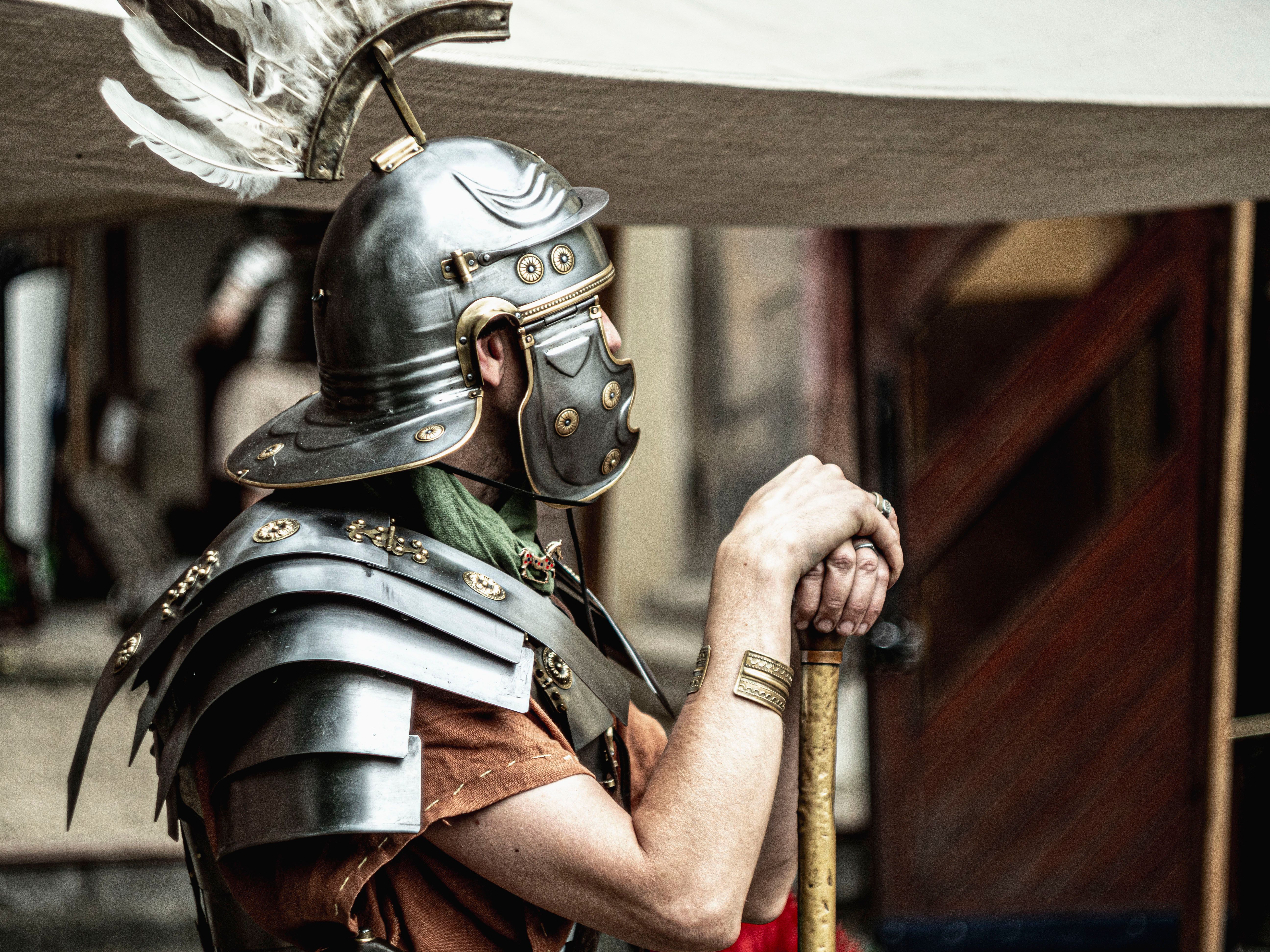
In full construction, the camp was about 400 by 500 meters in size and provided space for several thousand soldiers, depending on the source 5,000 to 6,000. Over time, various legions were stationed here. Around 114 came the tenth legion, the Legio X Gemina, and it remained around 300 years, until the 5th century.
Around the camp grew a camp suburb, where merchants, craftsmen and the families of the soldiers lived. About two kilometres away, in today’s third district, a civilian town was also built, probably along today’s race track. Sometime between 120 and 250 she received Roman city law. It is estimated that around 30,000 people lived in and around Vindobona during the heyday.
Peaceful life on the border was not always. In the Markomannenkriegen in the 2nd century, the camp was probably largely destroyed by fire and then rebuilt. In late antiquity, the Romans abandoned the suburbs, and in the course of the fifth century. In the 20th century, settlement in the camp ended. After that, a gap of several centuries, until in the Middle Ages a new city emerged on the ruins.
The city plan remembers
It is astonishing how much the camp shapes the floor plan of the city centre to this day. Anyone who wants to follow its old borders follows approximately the Deep Trench in the west, the Trench and the Naglergasse in the south, the Rotenturmstraße in the east and the Salzgries in the north. In the middle of this square are today Hoher Markt, Judenplatz and Am Hof.
The gates can also be located. The West Gate stood where today the High Bridge leads over the Deep Trench. The south gate was on the corner of Naglergasse and Tuchlauben. Its foundation stones only came back to light in 2019, when the road was unearthed due to a gas fracture. By the way, the gate stood until the 12th century, then followed in its place a medieval city gate. The east gate is suspected at Kramergasse and Ertlgasse, only at the north gate the research is still not certain.
The trench itself reminds of the trenches that once lay in front of the camp wall. Around 1200 the site was included in the city during the Babenberger city extension and became a place. By the way, this extension was paid with the ransom for Richard Lionheart, who had been captured in Erdberg. Thus, in the heart of Vienna, Romans, Babenbergers and an English king hang together.
Where the Romans are still seen today
The most Roman shows the Roman Museum at the Hohen Markt. Below the street level there are the remains of two officer’s houses of the camp, according to the Vienna Museum the most important Roman excavation of the city. The exhibition tells that not only Romans lived in Vindobona, but also locals and immigrants from all over the empire, with shops, taverns and public baths.
If you prefer to look under the open sky, go to Michaelerplatz. During excavations in 1990 and 1991, Roman houses from the 2nd to 5th century came here. century for appearance, with floor heating, wall heating and murals. Urban archaeologist Ortolf Harl interpreted it as a kind of entertainment district outside the camp. The architect Hans Hollein designed the pit in such a way that the walls can still be seen from above, next to the remains of the walls from the Middle Ages and modern times.
And if you want to walk a bit after the museum, go from the Hohen Markt to the Hohe Brücke. From above you can see ditches in the depths, right where the west gate of the camp once stood.
Myths about Roman Vienna
“Marc Aurelius died in Vienna.”For a long time, Vindobona was considered the place of death of the philosopher emperor, who died in 180. This was based on the late antique historian Aurelius Victor. Other ancient sources, however, mention Sirmium in present-day Serbia, and this is considered more likely today. Vienna still reminds of him, with a street in the city center and a figure of the emperor in a court on this street.
“Vienna has been continuously inhabited since Roman times.”Not quite. After the end of Roman rule, almost all traces are missing in the area of the camp for several centuries. A few shards from the 8th and 9th centuries only show that people have committed the ruins. The medieval city was later rebuilt on the old site.
“The Berghof is the oldest house in Vienna.”So it tells a legend, the court at the Hohen Markt is said to have even been the starting point of the city. However, it is only occupied around 1270, and the oldest verifiable building substance does not date from before 1290. The old houses were demolished from 1962.
“The Nibelungs celebrated in Vindobona.”In the Nibelungenlied, Kriemhild and Etzel celebrate their wedding in Vienna. A beautiful story, but poetry from the Middle Ages and no evidence of anything from Roman times.
Vindobona for tracking
Vindobona has disappeared and yet everywhere. It is located in the course of the streets, in the walls under the Hohe Markt and in the pit at Michaelerplatz. Anyone who knows where the camp was, goes differently through the city center.
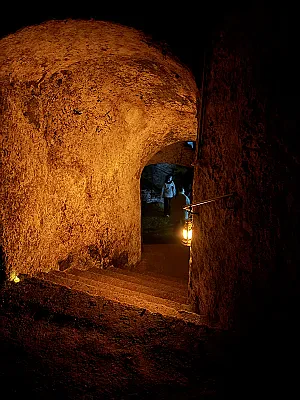
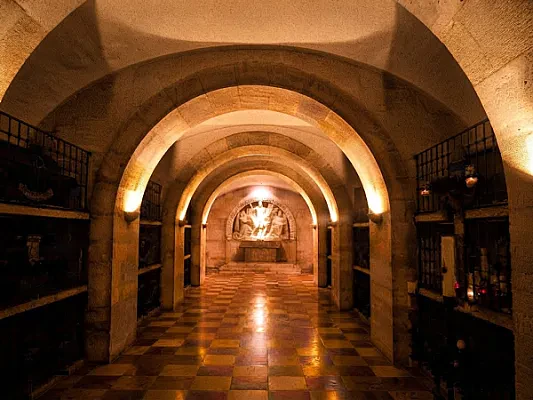
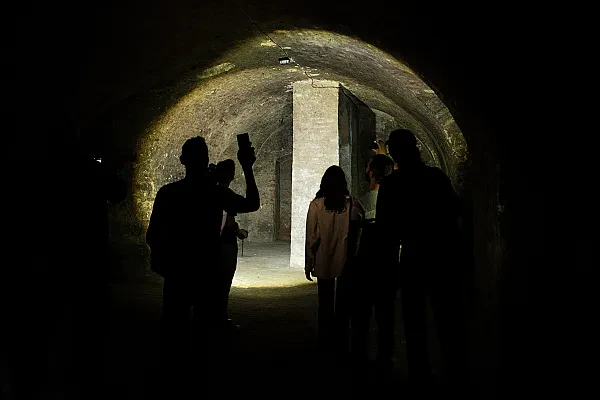
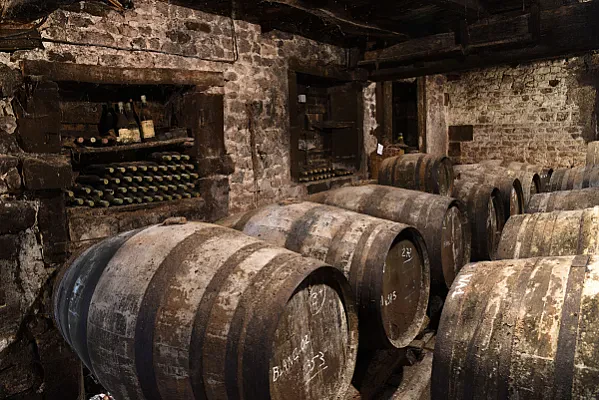
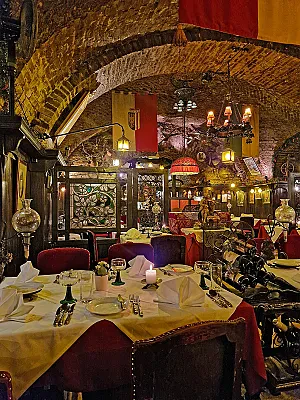
The wine for which Vienna is known today also has Roman roots. Whoever wants to follow him with a glass in his hand, gets into theRoman wine cellar different from Viennadown, an old vaulted cellar in the middle of the city center, which otherwise remains closed. With the audioguide you go on your own through the history of the Viennese underworld, and on request there is a glass of Viennese wine.
SourcesVienna History Wiki, Vindobona·Wikipedia, Vindobona·Urban Archaeology Vienna, Legion Camp·Wikipedia, Legio X Gemina·Vienna Online, Roman gates discovered·Vienna History Wiki, Graben·Vienna History Wiki, Michaelerplatz·Wien Museum, Römermuseum·Vienna History Wiki, Marc Aurelius·Vienna History Wiki, Berghof·Vienna History Wiki, New High Bridge